Is Laser Physio Right for Me? Getting to Know Your Physio Options
What if the key to a successful physio treatment plan was a laser? This might sound like science fiction at first, but it’s true—there is such a thing as a special laser beam designed for physiotherapy treatment and injury recovery, and it could be a key part of your physio plan. Keep reading for everything you need to know about laser physiotherapy, including how it works and when to know if it’s the right option for your recovery needs.
What is Laser Therapy?
Laser therapy, also known as low-level laser therapy, or LLLT, is a relatively new form of physiotherapy that’s becoming increasingly common in recent years. At Triumph Physio and Wellness, we use a special laser beam called a Class 3B laser which helps ease inflammation, reduce pain, and even stimulate tissue growth after an injury.
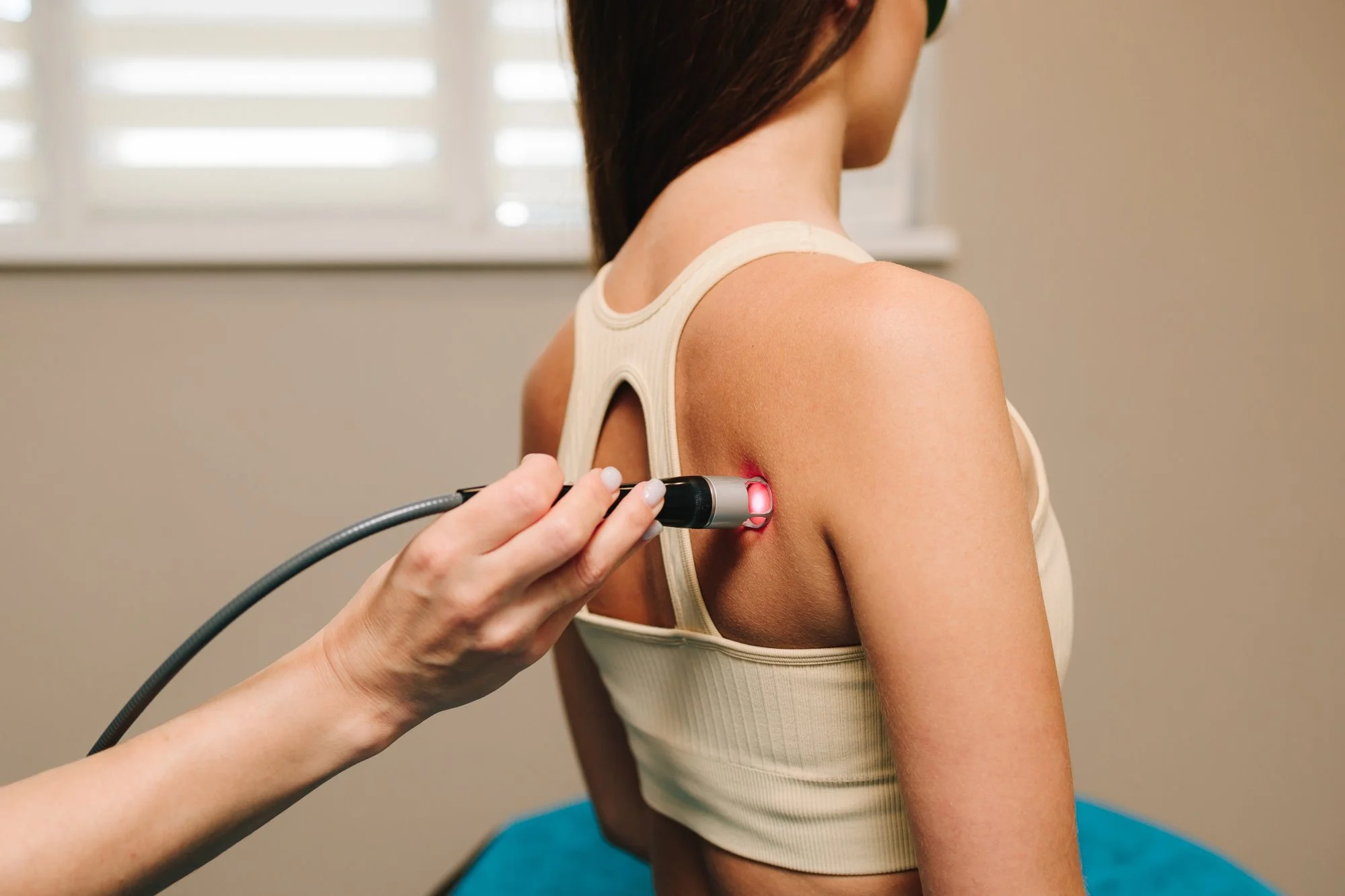
Pointing a laser beam at an injured part of your body might sound like a recipe for disaster. However, this physio option is a completely painless process thanks to the specialized technology of the Class 3B laser beam itself. This beam is between 650 and 905 nanometres (nm) wide, which is about 150 times smaller than the width of a human hair. And because they operate at a very low frequency, they don’t produce any heat, vibration, noise, or pain in the body. This is what gives the Class 3B beam its other name: a cold laser.
How Laser Therapy Helps in Physio Recovery
When a physiotherapist administers low-level laser therapy, the beam is pointed directly at the injured joint, muscle group, or tendon. Because the beam of the laser is so thin, it’s able to pass directly through the skin and into the tissue below.
This specific type of cold laser beam can have incredible effects on pain, limited mobility, and stiffness. Depending on the issue you’re treating, your physiotherapist will adjust the beam for the best results. Certain beam widths are better suited to reducing inflammation, while other widths aid the body in tissue regeneration. This process is known as biostimulation or photobiology.
Before laser therapy is even applied, your physiotherapist will always take the time to learn about you, your lifestyle, and the issue that brings you into physiotherapy before creating a treatment plan. If you decide that laser therapy may be beneficial, they’ll create a detailed plan involving the beam width and treatment location.
What Can Laser Therapy Help With?
Recent research has shown that low-level laser therapy can aid in the management or recovery from a number of conditions and complaints, including:
Osteoarthritis, especially in the hips, knees, and ankles
Shoulder impingement syndrome
Rheumatoid arthritis
Bursitis
Sciatica
Temporomandibular joint (TMJ) disorders
Neuropathic pain
Lymphedema
Tendonitis
Herniated spinal discs
Plantar fasciitis
Laser therapy can be a key part of treatment for these conditions and others, however it’s generally used in conjunction with more traditional physio techniques, including manual therapy and guided exercise programs.
Understanding the Benefits of Cold Laser Therapy
When used correctly, low-level laser therapy can have remarkable effects on pain levels, mobility, and overall quality of life, particularly if you’re treating an injury or a chronic physical condition. Potential benefits of laser therapy include:
Tissue regeneration
One of the most incredible benefits of LLLT is its ability to help the body regenerate tissue. As you probably know, the healing process is guided by cell growth. When our body gets injured, it creates new cells to heal itself. In certain cases, laser therapy can be used to stimulate the growth of certain kinds of cells, speeding up recovery time.
LLLT has been shown to help with the growth of fibroblasts (which aid in collagen production and joint health), keratinocytes (which help with joint health and inflammation control), endothelial cells (essential for inflammation control and healthy blood flow), and lymphocytes (a type of white blood cell that aids in immune system support).
Depending on the issue bringing you into treatment, your physiotherapist will use the laser beam differently to stimulate the growth of various cells, improving regeneration and speeding up your recovery.
Inflammation relief
Cold laser beams with a width between 660nm and 684nm have been shown to aid in reducing inflammation in the body. This type of laser reduces edema, a condition where swelling occurs due to excess serum buildup in the joints. This form of laser therapy also reduces the migration of inflammation throughout the body.
Reduced pain
Along with improved cell growth and inflammation control, targeted cold laser therapy can even reduce pain and discomfort. The improved cell growth can reduce pain signals to the brain and soothe sensitive nerves, giving much-needed immediate relief along with real, long-lasting recovery.
Improved mobility
When used in combination with targeted exercise programs and manual therapy, LLLT can be a game-changer for improving mobility and range of motion. This treatment can enhance the results of the work you’re already doing, helping restore your usual mobility that much faster.
Better blood flow
When used to regenerate endothelial cells, laser therapy can help improve blood flow and circulation throughout the body. This ensures injured cells get the oxygen and nutrients they need to regenerate, speeding up recovery times.
Reduced scar tissue
Laser therapy is often used when people are recovering from surgery, thanks to its ability to limit scar tissue build-up. While research on these effects is ongoing, LLLT has shown promising results in lessening the lasting pain and stiffness caused by excess scar tissue. It’s even thought to reduce the appearance of scars on the skin when used at the correct settings.
Is Laser Physio Right for You?
Now that we know a little more about the technology of low-level laser therapy and its possible benefits, you may be wondering: "Is this the right physio for me?" Because this option is such a safe procedure, there’s a good chance it will be a part of your overall physio routine. Having said that, remember that a quality physio program is made up of many different parts, including exercise, manual therapy, massage therapy, and more.
When you book an initial consultation with Triumph Physio & Wellness, we get to know your situation inside and out, including the symptoms you’re facing, possible causes, and lifestyle factors that may be contributing to the problem. From here, we develop a tailor-made treatment plan that addresses your concerns at the source from a variety of angles, which may include laser therapy.
Contact us today if you’re curious about this treatment, how it helps, and whether it’s right for you. And if so, schedule your initial consultation here!
Disclaimer: This BLOG content is provided for informational purposes only and is not intended as a substitute for professional medical advice, diagnosis, or treatment. The creators of this BLOG are not liable for any actions or decisions taken by individuals based on the information presented herein. Always seek the advice of your physician or other qualified healthcare provider with any questions you may have regarding a medical condition.
Creative Commons Attribution: Permission is granted to repost this article in its entirety with credit to Triumph Physio and Wellness and a clickable link back to this page.